MISTRUST GROWS BETWEEN NGOS AND UGANDA GOVERNMENT

There is a persistent lack of trust between Non-Governmental Organizations (NGOs) and regulators, according to the Defenders Protection Initiative, a local thinktank.

It attributed the state of affairs to lack of clear coordination and communication between the two parties.

“There should be coordination between non-governmental organizations (NGOs) and regulators, as a way of boosting civic space in the country,” said officials.

This was during a recent Talk to Your Regulator’ Symposium held in Kampala.

The symposium was attended by civil society activists, as well as regulators such as the Uganda Registration Service Bureau(URSB), The NGO Bureau, the Financial Intelligence Authority, the Kampala Capital City Authority, the National Social Security Fund, the Uganda Revenue Authority, and the district NGO monitoring Committees among others.

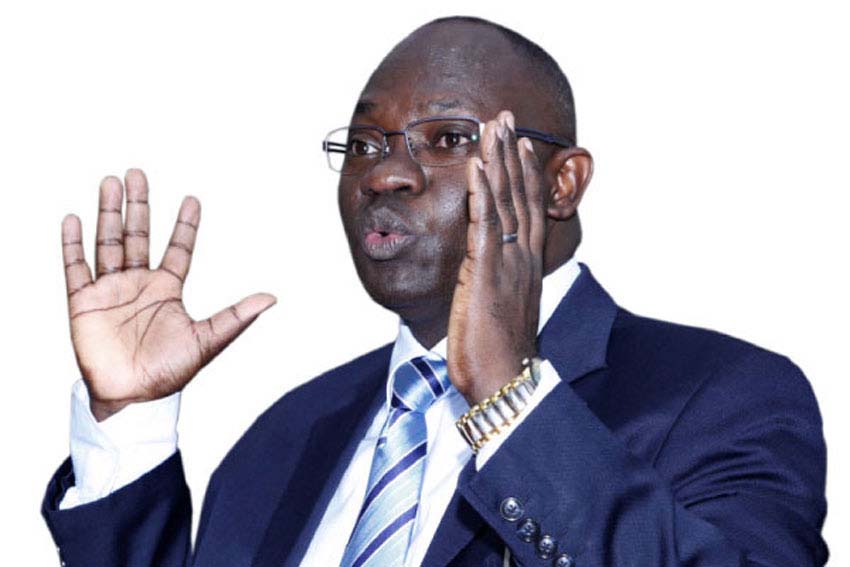
Yona Wanjala, the Executive Director of the Defenders Protection Initiative, said that there is a need for an independent platform for civil societies to communicate with regulators regarding key aspects of the regulatory landscape in the country.

“Such a platform would address compliance obligations, and foster trust and transparency between the two parties,” he said.

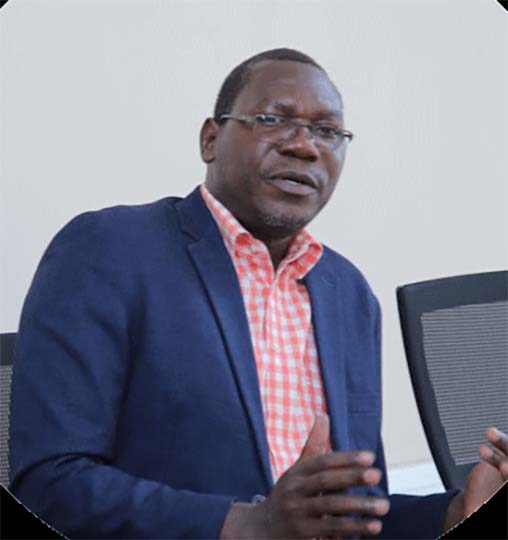
James Nkuubi a researcher from the Network of Public Interest Lawyers stated that the research conducted in the 9 regions of the country also revealed the lack of feedback from FIA and challenges related to district monitoring of NGO committees.

“There has been friction between NGOs and the regulators based on perceptions or misperceptions and mistrust,” he said, adding that trust can illuminate or ferment compliance, since people can choose to comply or keep away.

“There is no doubt that NGOs can voluntarily comply when it trusts the regulators,” he said.

Razarus Mukasa, the Director of Monitoring and Analysis at the Financial Intelligence Authority said that in terms of compliance as a sector, there are varied indications that NGOs are doing well in in many fields

He denied allegations that FIA is targeting Muslim-led organizations, adding that no NGO had been sanctioned.

RWANDA PROHIBITS NGOS TO COOPERATE WITH BELGIUM

No funding is now permitted to Enter Rwanda from Belgian government, its institutions, affiliated agencies or programs.

According to a recent statement issued by the Rwandan government, all international and national non-governmental organizations (NGOs) and agencies operating in the country should suspend corporation with the Belgian Government

and its affiliated entities.

“Effective immediately, all collaboration, partnerships, and engagement with the government of Belgium and its affiliated institutions, non-governmental cooperation actors, agencies and programs are prohibited,” said the statement issued by the Rwanda Governance Board.

It further pointed out that any ongoing projects or agreements involving these entities and other similarly affiliated entities must be terminated immediately and reported accordingly.

This has henceforth affected grants and donations that have for years been channeled to local and international, based in Rwanda.

The Rwandan government further said the restriction includes budget support, project funding, technical assistance grants and payments made through third party intermediaries.

The statement warned that failure to comply with the restrictions would lead to de-registration and/or other administrative measures.

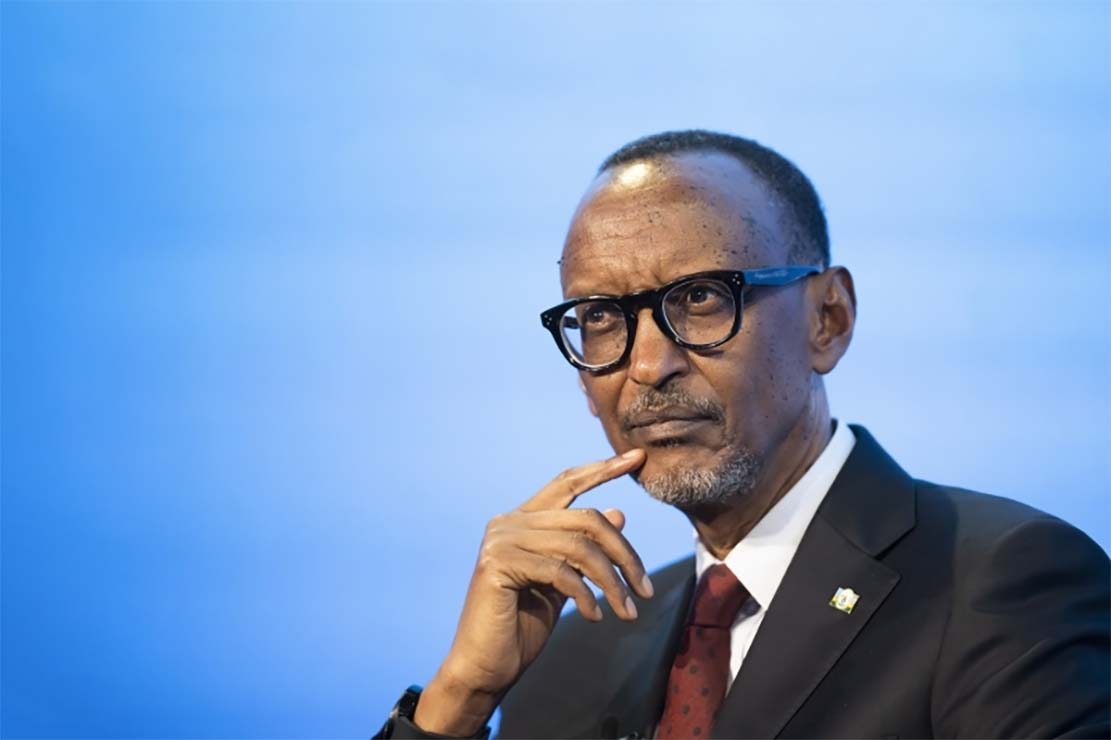
It also gave Belgian diplomats 48 hours to leave the country’ This came a day after Rwandan President Paul Kagame accused Belgium of advocating for international sanctions against his country over the conflict in eastern Democratic Republic of the Congo.

CIVIC SPACE HAS NARROWED, SAYS DR SSEWANYANA

Experts have expressed their worry that civic space in Uganda has continued to narrow, due to negative legal frameworks and political intervention.

Civic space refers to the environment that allows individuals and groups to participate freely in political, social and cultural life, enabling them to organize, speak out, assemble and influence their societies without fear.

Dr. Livingstone Sewanyana, an Advocate of the High Court of Uganda said that a raft of restrictive legislation—including the NGO (Amendment) Act (2024), Public Order Management Act (2013), Anti-Money Laundering Act (2013), Anti-Terrorism Act (2002), Computer Misuse (Amendment) Act (2022), and the Anti-Homosexuality Act (2023)—has imposed onerous registration requirements.

“These laws have imposed excessive reporting obligations, and broad government powers to suspend or dissolve NGOs. As a result, organizations have faced the freezing of bank accounts and denial of funding,” he said in a Civic Freedom Monitor (CFM) Country Note he issued recently.

 Sewanyana, who is also the Executive Director of Foundation for Human Rights Initiative, a Ugandan civil rights NGO, said that NGOs engaged in democracy promotion and human rights advocacy have often been subjected to intimidation and increasingly targeted by state and non-state actors, both offline and online, with a goal of undermining their activism.

“Civic actors are also contending with shrinking space for free expression and peaceful assembly. The government has increasingly constrained the legal and practical space for expression and advocacy,” he noted.

He further said that peaceful assemblies are heavily restricted under the Public Order Management Act, with organizers required to seek police approval and facing the risk of dispersal or prosecution for non-compliance.

“This is a worrying trend since civil society organizations (CSOs) and non-governmental organizations (NGOs) play a vital role in Uganda,” he said, adding that approximately 14,000 registered NGOs engage across a wide range of issues, including providing services to citizens, advancing democratic governance, advocating for human rights.

Sewanyana further said that Uganda’s legal system, rooted in English common law and customary law, is underpinned by the 1995 Constitution, which guarantees the freedoms of conscience, expression, movement, religion, assembly, and association.

“Article 29 (1)(e) protects the right to freedom of association, encompassing the formation and joining of associations or unions, including trade unions and political and other civic organizations.”

The Constitution further guarantees that civic organizations retain autonomy in the pursuit of their declared objectives.